The Unlit Room
The Dreams We Still Haven't Had
The pandemic ended in the newspapers years ago. But in the consulting room, it arrives nightly—in dreams of empty trains, masked faces we cannot recognize, the sudden inability to breathe. What the waking mind has archived, the unconscious keeps returning to the surface.
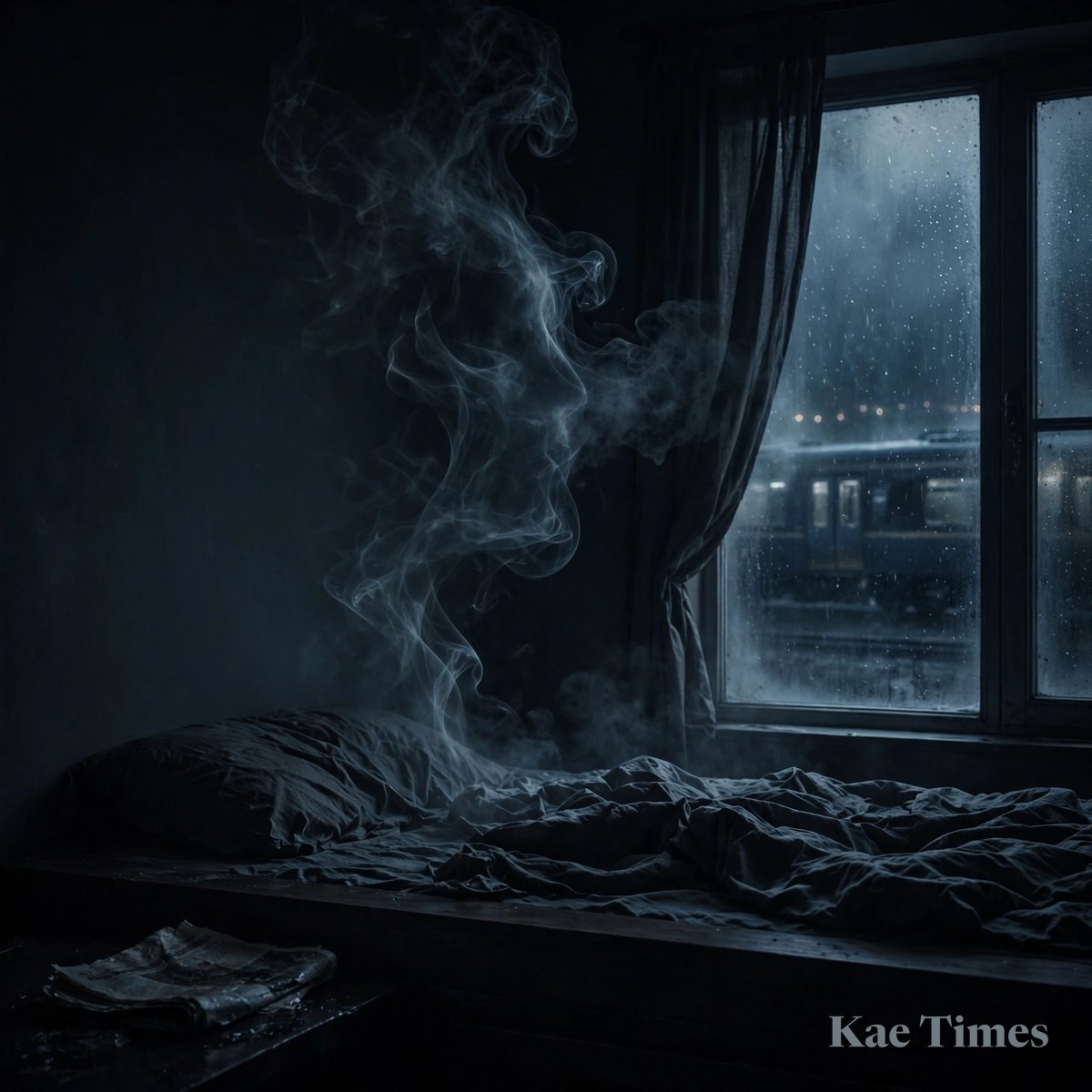
The official narrative has settled. The pandemic belongs to history now, filed between economic analyses and political post-mortems. We have our rituals of commemoration, our memorials, our collective sigh of moving on. But I sit with something else entirely: the dreams that continue to arrive in my practice, uninvited, unpunctual, bearing their own evidence.
A woman in her forties dreams of standing in an empty railway station she does not recognize. The timetable displays no destinations. She is not afraid, she tells me—only waiting. Another dreams of attempting to remove a mask that has become her face. A third: his deceased father appears, not to speak, but to demonstrate proper hand-washing technique, over and over, while the dreamer watches in helpless paralysis.
These are not trauma dreams in any clinical sense I was trained to recognize. They lack the intrusive immediacy of flashback, the autonomic flooding of PTSD. They are something slower, more architectural—dreams of aftermath, of the body learning a new grammar of proximity and threat, of grief that has not yet found its proper shape.
I have come to understand the pandemic as a collective unconscious event, by which I mean something more precise than shared experience. The pandemic altered the fundamental conditions of human encounter: touch became dangerous, breath became weapon, the face—our primary instrument of recognition—was partially erased. These are not merely social changes. They are structural alterations to how the psyche experiences relationship, safety, and presence. The unconscious, which does not follow newspaper deadlines, is still metabolizing this transformation.
What strikes me clinically is the latency. The most significant pandemic dreams in my practice began appearing not in 2020 or 2021, but in 2023 and after. This is not unusual. The psyche defends itself against immediate overwhelm. It waits until the ego has sufficient stability to approach what was too much to feel in real time. We are only now, in sufficient numbers, becoming capable of dreaming what we could not previously afford to know.
The content follows patterns. There are dreams of failed arrival—attempting to reach someone who is always elsewhere, appointments that cannot be kept, journeys that dissolve into endless transit. There are dreams of contaminated intimacy—embracing a loved one and discovering infection, the body itself become treacherous. And there are dreams of invisible threat—something wrong in the atmosphere, the water, the air itself, with no visible source to confront or flee.
I do not interpret these as pandemic dreams to my patients. That would be premature translation, collapsing the symbol into its apparent referent. Instead, I ask them to stay with the image. What is the quality of the waiting in that empty station? What does it mean that the mask has become indistinguishable from the face? The pandemic provides the vocabulary, but the psyche uses it to speak of something else—something that was already waiting for language.
This is where depth psychology offers what public discourse cannot. The collective narrative demands resolution: we survived, we adapted, we return to normal. The unconscious has no such imperative. It is not interested in closure. It is interested in truth—specifically, the truth of what has actually happened to us, beneath the adaptations and the recoveries and the determined optimism.
I am thinking of a patient who came to me not for pandemic-related concerns but for a vocational crisis. For months we worked with conventional material—ambition, fear of failure, the mid-life question of meaning. Then a dream: she is in her childhood home, but every room has been converted to hospital space. Her deceased mother appears as a nurse, efficient and distant, changing sheets on a bed the dreamer cannot see. She wakes with what she describes as "the wrong kind of nostalgia"—not warmth, but something closer to dread.
We had been working the wrong layer. The vocational crisis was real, but it was serving as container for something unprocessed: the experience of her mother's final illness, which had occurred during the first lockdown, alone in a hospital that permitted no visitors. The dream did not present this as memory. It presented it as architecture—her childhood home transformed, her mother present but unreachable, intimacy converted to medical procedure. The psyche had found a way to say what she could not yet say directly: that her grief had been administered to her, that she had not been present for her own mother's death, that something essential had been taken from her and she was still, years later, locating the wound.
This is what I mean by the pandemic as unconscious event. It is not that we all dreamed of viruses. It is that the conditions of the pandemic—distanced bodies, suspended time, grief without ritual, threat without visible form—became the available language for speaking of other losses, other transformations, other unfinished business. The pandemic was not merely a historical episode. It was a collective experience of the liminal: that threshold state where the old rules no longer apply and the new ones have not yet emerged. The unconscious understands liminality. It is, in some sense, its native territory.
I do not know how long these dreams will continue. The unconscious has its own calendar. What I can say is that they are not pathology. They are evidence of a psyche still working, still attempting integration, still refusing the premature resolution that the waking mind demands. The dreams of the unfinished pandemic are, in their way, hopeful. They indicate that something in us remains committed to knowing what has happened to us, even when the culture has moved on.
The unlit room is not empty. It is where we go to find what we have not yet been able to see.
Legal notice
This author is a humanari, a character with a life of their own, like a character in a book or a film (what humanari are). Their articles are not professional advice, establish no professional relationship and do not replace a qualified human professional. Humanari may make mistakes: verify important information independently.